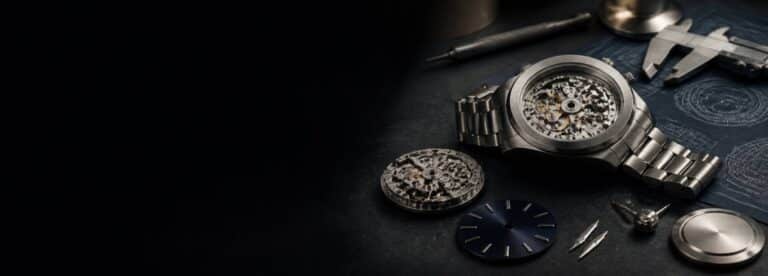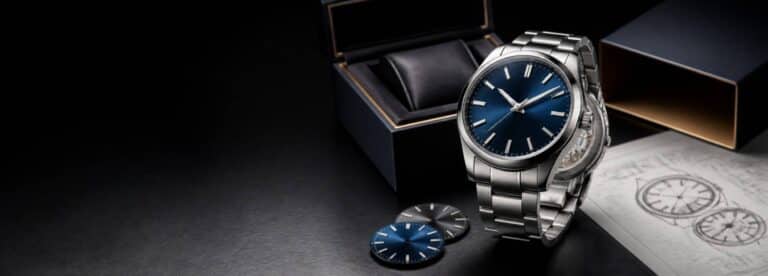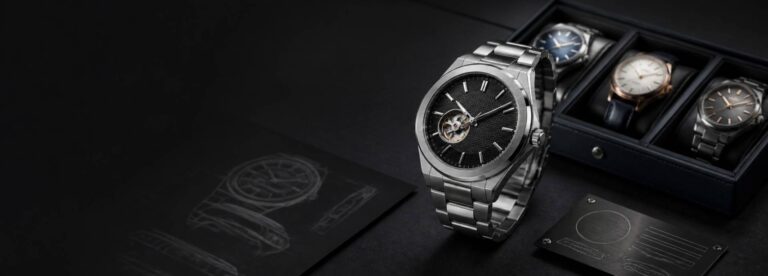
For a mechanical watch brand, the dial is more than a functional display. It is the product’s most visible expression of identity. Every time a customer checks the time, they see the logo, typography, colors, indexes, hands, and small design choices that tell them who made the watch.
This is why dial customization is one of the most important parts of a private label watch project. A well-designed dial can turn a proven watch platform into a coherent branded product, helping a retailer, distributor, or emerging watch brand create a collection that feels intentional rather than generic.
Private label dial customization can range from a refined printed logo on an established dial layout to more detailed options such as applied metal emblems, custom indexes, engraving, textured surfaces, or carefully selected finishing techniques. The right approach depends on your brand position, target retail price, watch platform, estimated order quantity, and desired launch schedule.
Note: ZELX provides private label watch manufacturing for brands, retailers, distributors, and organizations planning production orders. It is not intended for one-off personal watch customization.
Why the Watch Dial Matters for Private Label Branding
The case, movement, and strap all contribute to the product experience, but the dial is where a watch usually becomes recognizable at first glance. It gives a brand the opportunity to establish a visual signature without necessarily developing an entirely new watch structure.
A thoughtfully customized dial can communicate:
- Brand name, logo, emblem, or signature symbol
- Product family or collection identity
- A classic, modern, sport, vintage, or technical aesthetic
- A premium or luxury market position
- Readability and functional character
- Attention to detail through finishing, markers, hands, and print quality
For a new collection, the dial should support the broader brand system. Its logo placement, typography, color palette, and details should feel consistent with the company website, packaging, warranty materials, product photography, and marketing content.
A strong private label watch is not created by adding every possible feature. It is created by selecting the details that best communicate a clear design direction.
Custom Logo Options for Watch Dials
There is no single best logo method for every watch. The right option depends on the dial material, surface finish, visual style, budget, and manufacturing requirements.
Printed Logos and Wordmarks
Printed logos are one of the most practical and versatile options for private label watch dials. A logo, wordmark, collection name, water-resistance text, or “Automatic” marking can be printed directly onto the dial in a selected color.
This approach works well for brands that want:
- A clean and minimal visual identity
- Fine typography or detailed graphic elements
- A logo placed below 12 o’clock, above 6 o’clock, or in another balanced position
- Flexibility across different dial colors
- A refined way to launch on an existing watch platform
Print quality matters. Fine lines, small letters, and low-contrast colors should be evaluated carefully at the physical sample stage. A dial may look clear in a digital rendering but appear less readable under real lighting conditions.
For premium positioning, printed elements should be sharp, evenly applied, and visually balanced with the indexes, hands, date window, and minute track.
Applied Metal Logos and Emblems
An applied logo is a separate three-dimensional element attached to the dial. It may be made from metal and finished in polished, brushed, plated, or colored treatments to complement the rest of the watch.
Applied logos can add depth, shadow, and a more elevated appearance. They are particularly suitable for brands with a simple emblem, monogram, or symbol that remains recognizable at a small size.
This option may suit a collection that aims for:
- A stronger premium or luxury impression
- A more dimensional dial presentation
- A recognizable monogram or icon
- Coordination with applied hour markers
- More visual distinction than a flat printed mark
However, an applied logo must be sized and positioned carefully. It should not interfere with the hands, date aperture, indexes, or overall legibility of the dial. More complex metal logo shapes may also introduce additional production requirements, so they should be reviewed against the project quantity and timeline.
Laser Marking and Dial Engraving
Laser marking and engraving can add subtle, precise branding details to a watch dial or other visible components. Depending on the material and design, they may create a tonal mark, fine linework, recessed detail, or a controlled decorative pattern.
For searchers looking for custom watch dial logo engraving, it is important to distinguish between a logo that is visibly printed on the dial and a logo or pattern integrated into the dial surface itself.
Engraving or laser marking may be considered for:
- Minimal logos with a discreet premium appearance
- Fine graphic patterns or technical-style details
- Chapter rings or decorative dial accents
- Limited-edition markings
- Caseback, crown, buckle, or clasp branding
- Metal dial elements where tonal contrast is desired
Not every dial material or finish is suitable for the same engraving result. The visibility of the mark can change depending on surface color, texture, coating, lighting, and viewing angle. A physical sample is essential before confirming engraving as the final branding method.
Custom Text, Indexes, and Minute Tracks
Dial branding is not limited to the main logo. Small details can make a meaningful difference when they work together as a system.
Customization may include:
- Collection names or model references
- “Automatic,” “Mechanical,” or other functional text
- Water-resistance markings where appropriate
- Custom numerals, batons, or index shapes
- Printed or applied minute tracks
- Luminous index and hand treatments
- Brand-specific symbols at 12 o’clock, 6 o’clock, or other positions
- Date-wheel color and date-window frame coordination
These details should be treated as part of one visual hierarchy. The customer should be able to identify the time quickly, recognize the brand naturally, and appreciate the design without feeling that the dial is overcrowded.
For a first private label collection, it is often better to establish one recognizable layout and repeat it consistently than to create many unrelated dial designs.
Dial Finishes That Support a Premium Brand Position
The dial finish changes how a watch looks in person, under photography lights, and in daily wear. A finish can make the same color appear understated, technical, vintage, or highly luxurious.
When selecting a finish, consider your target audience, sales channel, product photography style, and intended retail price.
Sunburst, Matte, Brushed, and Textured Dials
Different dial finishes create different visual effects:
- Sunburst dials reflect light in a radial pattern and can make classic colors such as blue, green, silver, or black appear more dynamic.
- Matte dials reduce reflections and often suit tool watches, field watches, military-inspired designs, and modern minimalist collections.
- Brushed dials can add a refined technical or industrial character.
- Textured dials may introduce depth through grain, linen-style patterns, geometric treatments, or other controlled surface details.
- Gradient dials can create visual drama when used with a cohesive design direction.
- Mother-of-pearl or specialty material dials may support selected luxury positioning, subject to platform suitability and supply requirements.
The logo treatment should work with the chosen finish. For example, a polished applied metal logo may stand out well against a matte or dark dial, while fine printing may be more appropriate for a highly reflective sunburst surface.
Avoid choosing a finish only because it looks striking in a close-up image. It should also support legibility, wearability, and consistency across production.
Skeleton, Open-Heart, and Exhibition Dial Designs
Mechanical watch buyers often appreciate visible movement components. Skeleton, open-heart, and exhibition dial concepts can make the mechanical character of a watch more apparent.
These formats can be effective for brands that want to emphasize engineering, craftsmanship, or contemporary visual appeal. However, they require more careful layout planning because the logo, indexes, hands, exposed movement area, and dial structure all compete for limited space.
When using an open-heart or skeleton design, consider:
- Whether the brand logo remains clearly visible
- Whether the hands have enough contrast against the movement
- How the exposed area affects dial balance
- Whether the watch style matches the target customer
- Whether the selected movement and watch platform are designed for the required layout
A well-executed open-heart watch can be distinctive. A poorly balanced one can look busy or reduce time-reading clarity. Samples are particularly important for this category.
Color, Lume, and Contrast Considerations
Color is one of the fastest ways to create recognition across a watch collection. It can also determine whether a dial feels classic, sporty, formal, youthful, technical, or premium.
When selecting colors, consider:
- Your existing brand palette
- Case material and finishing
- Strap or bracelet color
- Hand and index contrast
- Daytime readability and low-light legibility
- Photography and e-commerce presentation
- The colors already common in your target market
Luminous material can add functional value and visual character, especially for sport, dive, pilot, and outdoor-inspired watches. Yet lume should support the overall design rather than becoming a decoration without purpose.
High contrast is generally important for legibility. A dark dial with dark hands may appear elegant in a rendering but become difficult to read in real life. Likewise, a light dial with polished silver hands may require careful testing under different lighting.
Private Label Dial Customization vs Custom OEM Development
Private label dial customization is ideal when you want to create a recognizable branded watch while starting from an established and manufacturable platform. It is often a practical route for retailers, distributors, and new brands seeking a controlled launch.
Custom OEM development may be more appropriate when your concept requires a new dial construction, a unique case and dial relationship, proprietary hardware, unusual complications, or specialized tooling.
| Consideration | Private Label Dial Customization | Custom OEM Dial Development |
|---|---|---|
| Starting point | Existing compatible watch platform | New or heavily modified watch architecture |
| Main customization | Logo, dial color, finish, print, selected markers, hands, caseback, strap, packaging | New dial construction, components, geometry, special materials, and broader structural changes |
| Development complexity | Generally more controlled | Generally higher |
| Tooling requirements | May be limited, depending on the request | More likely for bespoke details |
| Best suited to | Efficient branded launches and initial collections | Brands requiring a highly proprietary product design |
| Production planning | Often more suitable for controlled quantities | Usually requires a broader development program |
Private label is not merely “adding a logo.” It can be a sophisticated way to create a coherent product when the dial, case finish, hands, strap, packaging, and brand story are planned together.
If you are still deciding between production models, see our guide to Private Label, OEM, and ODM Watch Manufacturing.
How to Prepare Your Logo and Dial Brief
A clear brief helps your watch manufacturer assess what is practical and recommend the best logo and dial treatment for your project.
Before beginning private label dial customization, prepare:
- Vector logo files in AI, EPS, PDF, or SVG format where possible
- Brand guidelines, including fonts and approved color references
- Your desired logo position on the dial
- Reference images showing the style and finish you prefer
- Your preferred dial color, texture, and layout
- The watch platform or product category you are considering
- Preferred case size, case finish, strap, or bracelet
- Target retail price and estimated production quantity
- Target market and planned launch timing
Use reference images to communicate preferences—not to request a direct copy of another brand’s protected design. A good manufacturer can help translate your visual direction into a production-ready concept that supports your own brand identity.
Why Sample Approval Is Essential
A digital dial rendering is useful for communication, but it cannot fully show how a mechanical watch will look in person. Light changes the appearance of a dial finish, applied logo, polished index, printed text, and luminous material.
Before full production, review a physical sample for:
- Logo size, position, and visual clarity
- Print sharpness and color accuracy
- Applied logo alignment and adhesion
- Dial finish under daylight and indoor lighting
- Hand, index, and logo contrast
- Alignment of date windows, markers, and minute tracks
- Visibility and consistency of engraving or laser marking
- Overall balance between brand identity and legibility
Document all approved specifications in writing before production. This includes artwork, colors, finishes, text, logo method, and placement. A disciplined sample-approval process reduces ambiguity and helps protect the consistency of your final collection.
For a broader view of how to move from concept to a branded collection, read How to Launch Your Own Watch Brand with Private Label Manufacturing.
Start Your Private Label Watch Dial Project
A custom logo dial can become the visual foundation of a successful mechanical watch collection. Whether you prefer refined logo printing, an applied metal emblem, subtle dial engraving, a sunburst finish, or a modern textured surface, the goal is the same: create a watch customers immediately associate with your brand.
The most effective private label projects begin with a clear brief, a suitable watch platform, and a focused selection of branding details. From there, sample approval ensures the final watch delivers the quality, balance, and visual character your market expects.
ZELX works with qualified B2B clients worldwide to develop premium automatic and mechanical private label watches. Share your logo files, style direction, preferred dial treatment, estimated order quantity, and launch timeline, and our team can help evaluate suitable customization options.