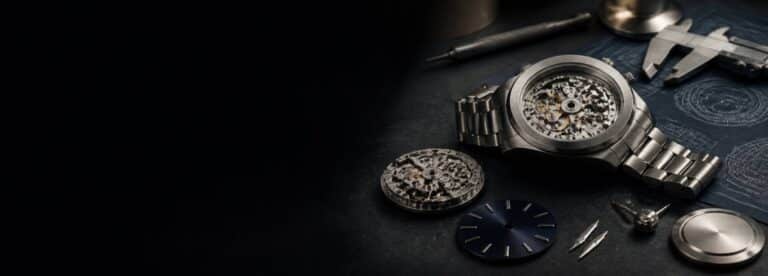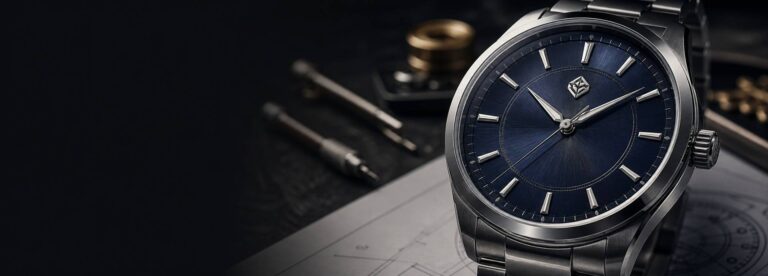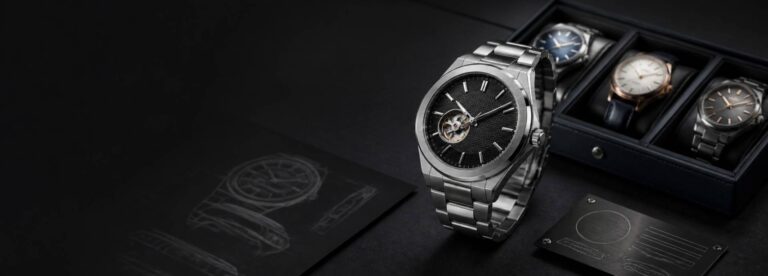
For retailers, distributors, established lifestyle brands, and emerging watch companies, speed to market can determine whether a product launch captures the right commercial moment. But launching a premium mechanical watch collection quickly should not mean compromising on product quality, brand consistency, or the customer experience.
Private label mechanical watches offer a more efficient route to market because they begin with established watch platforms, compatible components, and proven production processes. Instead of developing every part from the ground up, brands can focus their time and resources on the elements that customers see and remember: product selection, dial identity, branding, packaging, launch content, and sales preparation.
This approach is especially valuable for businesses that want to introduce luxury automatic watches under their own brand without committing immediately to the longer development cycle of a fully custom watch architecture.
Important: Private label watch manufacturing is intended for brands, retailers, distributors, and organizations planning production orders. It is not designed for one-off personal watch customization.
Why Speed to Market Matters for Watch Brands and Retailers
A watch collection is not only a product. It is a commercial project involving design decisions, sourcing, samples, packaging, photography, marketing, sales channels, fulfillment, and customer service.
The longer a project remains in development, the more likely it is that priorities, market conditions, component availability, and launch plans will change. For a retailer or new brand, excessive development time can also delay revenue, tie up budget, and create uncertainty around inventory planning.
A faster route to market can help you:
- Test a new watch category with a commercially realistic product
- Introduce a branded mechanical watch line alongside an existing business
- Prepare a seasonal, promotional, retail, or limited-edition launch
- Build product photography, advertising, and e-commerce content earlier
- Gather sales data before investing in deeper custom engineering
- Reorder successful configurations with a clearer understanding of demand
The goal is not to rush every decision. The goal is to remove unnecessary development steps while keeping the decisions that protect product quality and brand identity.
For a broader overview of the model, see What Is Private Label Watch Manufacturing?.
Why Private Label Mechanical Watches Launch Faster
Private label manufacturing can shorten the route from concept to sale because it uses production-ready foundations rather than requiring a full watch to be engineered from the beginning.
The final project timeline still depends on the selected configuration, branding scope, sample approval, component availability, order quantity, packaging, and shipping arrangements. However, the core development burden is typically lower than with a completely new OEM watch design.
Proven Watch Platforms Reduce Development Work
An established watch platform may already include a case design, caseback structure, crown system, crystal specification, water-resistance construction, compatible dial layout, hand set, and strap or bracelet options.
This eliminates many of the early engineering questions involved in creating a new watch case from scratch. There is less need to develop proprietary case geometry, validate new structural relationships, or produce specialized tooling before the product direction is clear.
For example, a retailer may begin with a proven stainless-steel automatic watch platform and create differentiation through a navy dial, custom logo application, branded caseback, leather strap, and presentation box. The product can still feel distinctive while avoiding unnecessary structural development.
Established Mechanical Movement Compatibility
A mechanical watch is not simply a visual product. The case, dial, hands, movement, crown, and date display must work together with appropriate tolerances and assembly methods.
When a private label project starts with a compatible automatic movement and proven watch platform, the manufacturer can focus on configuring the product rather than resolving fundamental technical compatibility issues. This can make planning more efficient and help reduce risk during sampling and production.
Movement selection still deserves careful attention. It affects watch thickness, dial layout, caseback design, hand height, functional features, product cost, and long-term servicing expectations. But choosing from available, compatible options is generally more efficient than designing an entirely new mechanical configuration.
Focused Branding Instead of Full Product Engineering
The strongest private label projects focus on the details that make a watch unmistakably connected to the brand.
Depending on the selected platform, this may include:
- Dial color, finish, and layout direction
- Printed logo, applied emblem, or selected engraving detail
- Hands, indexes, and luminous accents
- Caseback engraving or exhibition-back presentation
- Crown, buckle, clasp, strap, or bracelet branding
- Custom watch box, warranty card, manual, and outer sleeve
- Collection naming and product storytelling
These decisions can create a complete product experience without requiring every component to be newly engineered. They also allow your design, packaging, product photography, web content, and sales materials to develop around a coherent visual identity.
For more detail on the most visible brand element, read Custom Logo Dial Options for Private Label Watches.
Existing Supply-Chain and Assembly Processes
Private label projects benefit from an established sourcing and assembly framework. Where the case platform, movement, hands, straps, and other components are already available and compatible, production planning can proceed with fewer unknowns.
This does not eliminate the need for quality control, sample approval, or final specification confirmation. It means those steps can be applied to a known production basis rather than an untested collection of newly developed parts.
A qualified luxury automatic watch private label manufacturer should help you understand which configuration choices are practical for your target quantity, desired price position, and launch objectives.
What Can Be Customized Without Slowing the Project Down?
Private label manufacturing is most efficient when customization is focused on a clear brand direction and uses options compatible with the selected platform.
Common customization areas include:
- Dial colors, textures, and selected finishes
- Brand logos, collection names, and dial text
- Applied logos or markers, subject to project requirements
- Hands, indexes, and selected luminous details
- Caseback logos, engravings, and limited-edition markings
- Existing strap and bracelet options
- Strap color, stitching, and branded buckle details
- Custom packaging, printed inserts, warranty cards, and manuals
- Brand-specific photography, product naming, and sales content
These elements can create a meaningful distinction in the market. The key is to keep the first project disciplined. A single strong product concept is often more effective than many unrelated variations.
Requirements that may extend the timeline include a completely new case shape, exclusive bracelet construction, special movement layout, unique complication, new dial architecture, custom metal components, or extensive new tooling. These may be appropriate for a mature brand, but they are usually part of a deeper OEM development program.
How to Build a Fast, Commercially Coherent First Collection
A faster launch becomes easier when your collection has a clear commercial structure. Instead of trying to serve every customer and style category at once, begin with a defined target customer and one strong product family.
A practical first collection often includes:
- One core mechanical or automatic watch platform
- A consistent case size and construction
- One movement family
- One or two dial colorways
- A limited set of strap or bracelet choices
- Consistent logo placement and collection identity
- Premium, unified packaging
- A clear retail price and sales-channel plan
For example, an online retailer may launch a classic automatic watch collection with a 40 mm steel case, two dial colors, one branded leather strap configuration, and a matching presentation box. This creates enough choice for customers while keeping the product line manageable for sampling, content production, inventory planning, and replenishment.
A focused launch also improves marketing. Instead of creating separate campaigns for many unrelated products, you can build one recognizable product story around craftsmanship, materials, mechanical movement, and brand identity.
If you are managing early inventory risk, see our guide to Low MOQ Private Label Mechanical Watches for Retailers.
A Practical Route from Brief to Market
Private label is not an instant process, but it can be an organized and efficient one when the brief is clear and decisions are made promptly.
Define the Product Direction
Start by identifying your target customer, price position, watch style, intended sales channels, and launch objective. Decide whether the collection will be classic, sport-luxury, vintage-inspired, minimalist, dive-oriented, skeleton, or another defined category.
Your initial brief should also include your estimated quantity, preferred case size, desired movement type, brand assets, packaging needs, and target launch period.
For a full brand-building framework, read How to Launch Your Own Watch Brand with Private Label Manufacturing.
Select a Watch Platform
Review available watch platforms that fit your commercial and visual requirements. Consider the case shape, material, size, movement compatibility, water-resistance structure, dial layout, strap or bracelet options, and overall market position.
At this stage, prioritize a platform that supports your product story and can be realistically produced for your expected quantity. Avoid making the first project more complex than your launch plan requires.
Confirm Branding and Packaging
Once the platform is selected, define the elements that make the collection yours. This typically includes the dial logo, color direction, caseback details, strap or bracelet configuration, product name, packaging, and printed brand materials.
Provide your logo in vector format where possible, together with brand colors, typography, visual references, and placement preferences. Clear assets and timely feedback help prevent avoidable revisions.
Approve the Sample
A physical sample is one of the most important checkpoints in the process. Review the watch under different lighting conditions and confirm the logo clarity, dial finish, hand and index alignment, case finishing, strap quality, packaging, and overall brand presentation.
Do not move into production until the critical specifications are approved in writing. A sample is not simply a formality; it is the point where digital intentions become a real product decision.
Prepare Production and Launch Assets
While production is being planned, prepare the assets needed to sell the collection:
- Product photography and video
- Product descriptions and technical specifications
- E-commerce pages and wholesale materials
- Packaging copy, warranty information, and care guidance
- Sales-channel listings and retailer presentations
- Launch email, social, advertising, and press materials
- Fulfillment and after-sales support processes
Treat manufacturing and marketing as parallel workstreams. Waiting until finished watches arrive before preparing launch assets creates an unnecessary delay between production completion and actual sales activity.
Private Label vs Starting from a Fully Custom Watch Design
A fully custom OEM watch project can be the right choice when a brand requires a proprietary case, a completely original design language, exclusive hardware, a new structural solution, or deeper technical differentiation.
But for brands prioritizing a practical and timely market entry, private label often provides the more efficient starting point.
| Consideration | Private Label Mechanical Watches | Fully Custom OEM Watches |
|---|---|---|
| Starting point | Proven watch platform and compatible components | New or extensively redesigned watch architecture |
| Development scope | Branding, visual identity, selected configurable details | Case engineering, proprietary parts, new tooling, broad component development |
| Time to market | Generally more efficient | Generally longer due to development and validation |
| Initial project risk | More controlled | Higher due to wider development scope |
| Best fit | Retailers, distributors, new brands, and market-testing launches | Brands requiring a deeply differentiated proprietary product |
| Future role | Can establish a first collection and market data | Can follow once the brand validates demand and design direction |
Private label is not a lower-quality alternative to OEM. It is a different production strategy. When the platform, branding, finishing, and packaging are selected carefully, private label mechanical watches can support a credible premium product launch.
For a detailed comparison, read Private Label, OEM, and ODM Watch Manufacturing: Which Is Right for You?.
What Can Delay a Private Label Watch Launch?
Private label can reduce avoidable development work, but every project still requires coordinated decisions. Common causes of delay include:
- Frequent changes to the product concept after sample development begins
- Incomplete or low-resolution logo files
- Unclear branding direction or conflicting reference images
- Too many dial, strap, color, or packaging variations in the first order
- Requests for new tooling or components added late in the process
- Delayed sample feedback or approval
- Components affected by supply availability
- Unconfirmed shipping documents, destination requirements, or delivery arrangements
The most effective way to protect your schedule is to prepare a clear brief, appoint a decision-maker, consolidate feedback, and confirm final specifications before production begins.
Who Is Private Label Best For?
Private label mechanical watch manufacturing can be suitable for:
- Watch retailers adding an exclusive branded collection
- E-commerce brands entering the premium automatic watch category
- Jewelry, fashion, automotive, hospitality, or lifestyle businesses expanding into watches
- Distributors seeking differentiated products for their sales network
- Established companies planning corporate gifts, commemorative editions, or promotional programs
- Emerging watch brands that want to test market demand before investing in proprietary OEM development
It is less suitable for projects that require a single customized watch, completely unrestricted component design, or a new proprietary watch architecture from the outset.
Start Your Private Label Mechanical Watch Project
Private label mechanical watches provide a practical route to market for businesses that want to introduce a premium branded collection with greater speed and control. By starting with a proven platform and concentrating on the details that define your identity, you can reduce unnecessary development work while still creating a watch line that feels coherent, considered, and market-ready.
The final timeline will depend on your chosen watch configuration, customization scope, sample approval process, component availability, production quantity, and delivery arrangements. The best place to begin is with a clear brief and a realistic launch objective.
ZELX supports qualified B2B clients worldwide with premium automatic and mechanical watch private label projects. Share your target market, preferred watch style, estimated quantity, branding requirements, and target launch schedule, and we can help assess suitable watch platforms and customization options.